The Problem We Solve

Your challenge

Speaker and mic openings are open doors for dust and water — and a mesh that chokes airflow kills acoustic output while one that is too open passes particles.

↓ Our solution
ROTADIE solution

Mesh laminates engineered per opening: woven PET/nylon meshes with controlled aperture and open-area, laminated with adhesive rings that seal without bridging the acoustic path.

Not sure which grade fits? Send us your application — our engineer replies with a selection proposal within 24 hours.

Dust-Proof Meshes & Acoustic Grilles

Dust-Proof Meshes & Acoustic Grilles

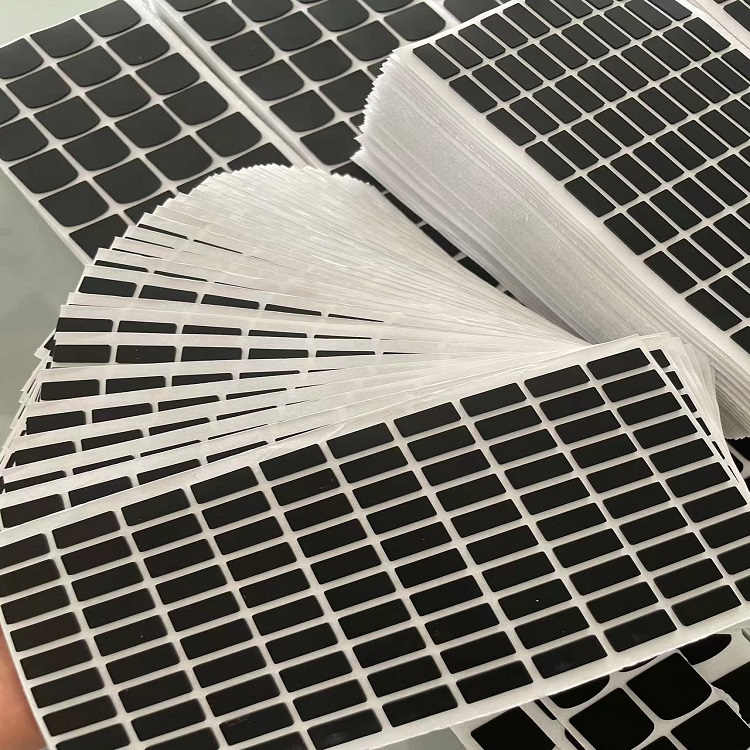
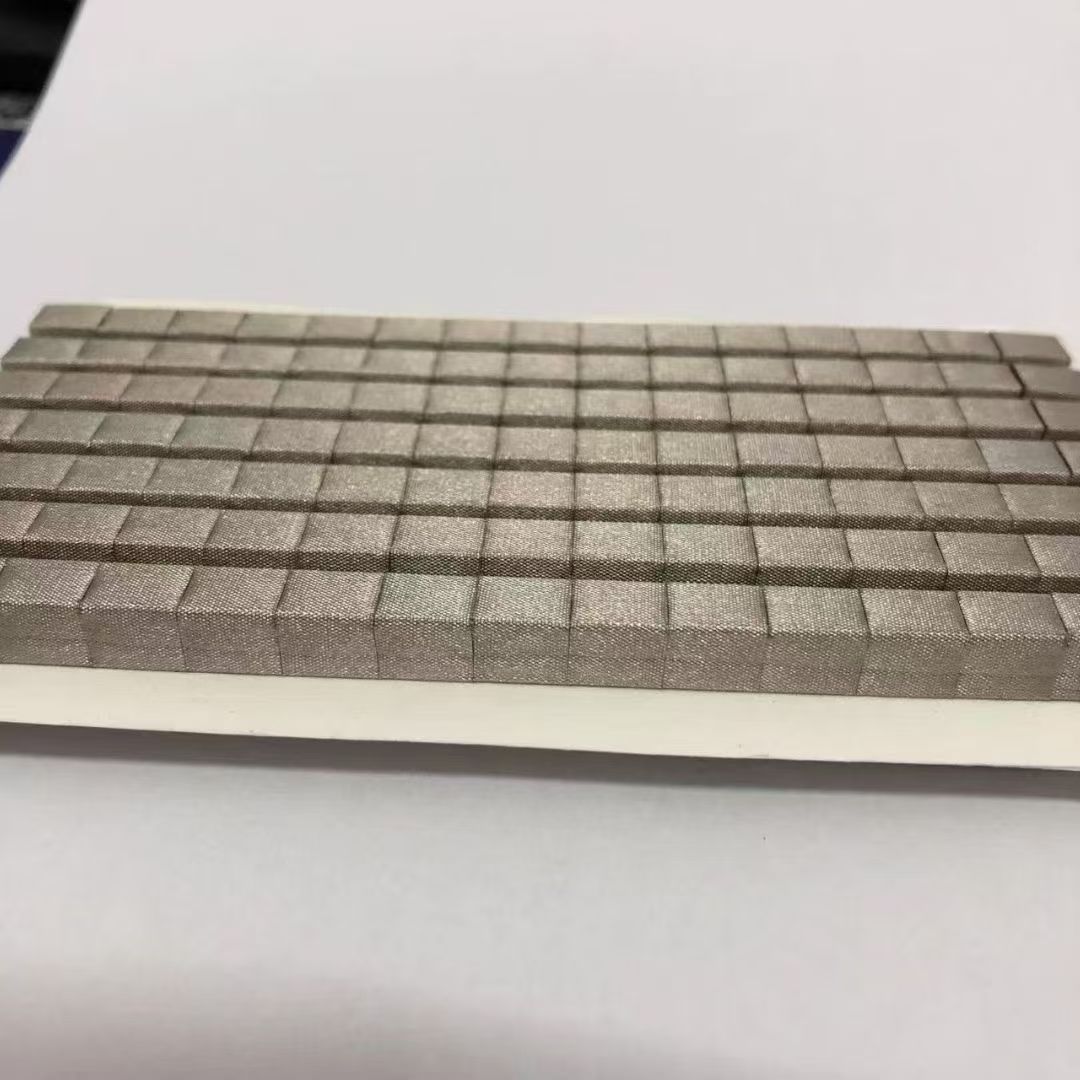
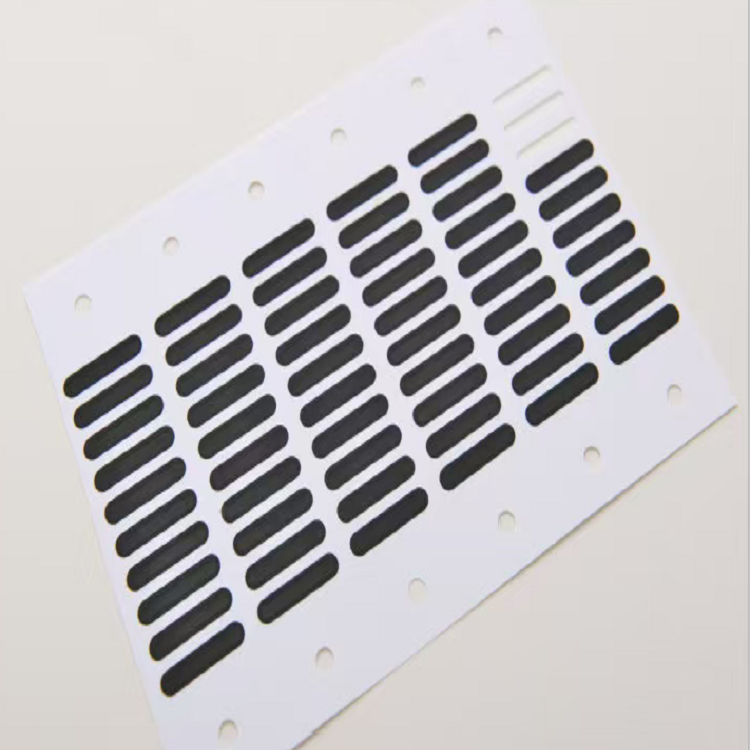
Precision die-cut dust-proof woven meshes and acoustic grille laminates for speaker, microphone, receiver and pressure-vent openings — airflow matched, adhesive-backed, ready to place.

Key Features

The difference between a good mesh part and a bad one is measured in decibels and microns. ROTADIE laminates mesh into adhesive-ring assemblies that drop straight into your opening geometry — and we verify open-area against your acoustic simulation targets before cutting production.
Dust-Proof Meshes & Acoustic Grilles

  • Woven PET / nylon mesh, aperture 30 – 500 μm, Open-area ratios tuned for acoustic output vs. dust ingress, Adhesive ring lamination — seals edges without covering sound path, Water-repellent treatment options for IPX ratings, Die-cut to aperture geometry including micro-ovals and slots, Multi-layer laminates (mesh + foam + adhesive) for vent designs

Typical Applications

  • TWS earphone speaker & mic meshes, Smartphone receiver and speaker openings, Smart speaker grille assemblies, Hearing aid & medical acoustic vents, Automotive microphone arrays, Pressure-equalization vent membranes

Technical Specifications

Mesh typesWoven PET, nylon, stainless option
Aperture30 – 500 μm
Open area15 – 55% (per grade)
Thickness0.05 – 0.3 mm
Water treatmentRepellent coating options
Adhesive ringCustom geometry lamination
Cutting tolerance±0.15 mm
MOQ1 prototype run

Specification values are typical reference values. Final values are subject to the grade datasheet and test report.

How to Order

① Define the application — describe the device, the function of the part and the environment it works in.

② Send the drawing — DXF / PDF / STEP, or a dimensioned sketch with tolerances marked.

③ Confirm quantities — prototype quantity and estimated annual volume.

④ Review the proposal — we reply with material options, unit price and tooling cost within 24 hours.

⑤ Sample & validate — typical parts sampled in 3–5 working days (quoted per drawing), then mass production after your approval.

Documents

DataSheet

Full specifications & ordering info

Request document →

RoHS Compliance Report

Environmental compliance report

Request document →

FTIR Material Report

Material & performance test report

Request document →

FAQ

1. What information do you need to quote my die-cut part?
Three things: (1) a drawing — DXF, PDF or STEP, even a dimensioned sketch works; (2) the material requirement, or simply the application and environment so we can propose; (3) estimated annual quantity. Every drawing is reviewed by an engineer before quoting, and we return a material proposal, unit price and tooling cost within 24 hours.
2. How fast can I get samples?
Sampling lead time depends on part complexity and is quoted together with your quotation. Typical parts are sampled in 3–5 working days after drawing confirmation; parts requiring special material sourcing or multi-layer lamination take longer. The lead time for your specific part is confirmed before you commit — no vague promises.
3. What is your minimum order quantity?
For prototype and validation runs we accept single-run quantities — you do not need to commit to mass production to test our quality. For mass production, MOQ depends on material and part size; small-quantity production runs are supported with per-unit pricing clearly shown.
4. Do I pay for tooling? Is it reusable?
Custom parts require a die tool, quoted as a one-time cost shown separately on the quotation. The tool stays reserved for your part — repeat orders have no tooling charge. For simple shapes we may use etched or laser cutting with lower or zero tooling cost.
5. How do you control quality?
Three stages: incoming material inspection (thickness, adhesive, certs), in-process inspection during die-cutting, and 100% outgoing inspection before packing. Dimension inspection reports and material certificates are supplied with shipment on request.
6. Which material brands do you convert?
We routinely convert 3M, Nitto Denko, tesa, PORON-class urethane foams, Kapton-class PI films and NOMEX-class aramid papers, plus qualified domestic equivalents when cost matters. All material declarations (RoHS / REACH) are supplied with shipment.
7. Can you ship internationally?
Yes. We ship worldwide from Shenzhen by international express (DHL/FedEx/UPS) for samples and small runs, and by air or sea freight for mass production. Export-standard packing with humidity protection is standard.
8. Can you help if I only know the application, not the exact material?
Yes — that is the normal case. Describe the device, the function the part must perform (seal, bond, shield, insulate, protect), the environment, and any constraints (thickness, temperature, approvals). Our engineer proposes 2–3 material options with trade-offs, and sampling validates the choice before you commit.

Contact Us

Related Products

Double-Sided Adhesive Tape Die-Cuts
Adhesive Tapes

Double-Sided Adhesive Tape Die-Cuts

Custom die-cut double-sided adhesive gaskets and pads — 3M, Nitto, tesa and equivalent tapes converted to your exact drawing with tight tolerance, from prototype to mass production.

Die-Cut Foam Seals & Pads
Foam & Sealing

Die-Cut Foam Seals & Pads

Custom die-cut foam gaskets and cushions from PORON urethane, EVA, EPDM and silicone foam — dust sealing, water sealing, drop protection and compression set control.

Insulation Films & Barriers
Insulation

Insulation Films & Barriers

Precision die-cut electrical insulation films and fire barriers — PI (Kapton-class), PET, aramid paper and composite barrier materials for batteries, PCBs and power modules.

Further Reading

How to Choose Double-Sided Tape for Electronics Assembly
Adhesive Tapes2026-11-12

How to Choose Double-Sided Tape for Electronics Assembly

A practical selection guide: surface energy, temperature range, thickness and die-cut format — how engineers should specify double-sided tape before requesting a die-cut quote.

Compression Set: Why Foam Seals Fail After Two Years
Foam & Sealing2026-11-12

Compression Set: Why Foam Seals Fail After Two Years

Compression set is the number-one silent killer of foam seals. What it is, how to read the datasheet, and which foam families keep their seal force long-term.

EMI Shielding Gasket Design: Seam Gaps, Compression and Contact Resistance
EMI Shielding2026-11-12

EMI Shielding Gasket Design: Seam Gaps, Compression and Contact Resistance

A board-level and enclosure-level design guide for EMI gaskets: how seam geometry, compression force and contact resistance determine whether your EMC test passes.

Need samples or a selection proposal for this part?

Engineer reply within 48 hours — free sampling support.

Tel: +86 134 3084 4019WeChat
微信二维码

Scan or add WeChat to chat

Get a Quote